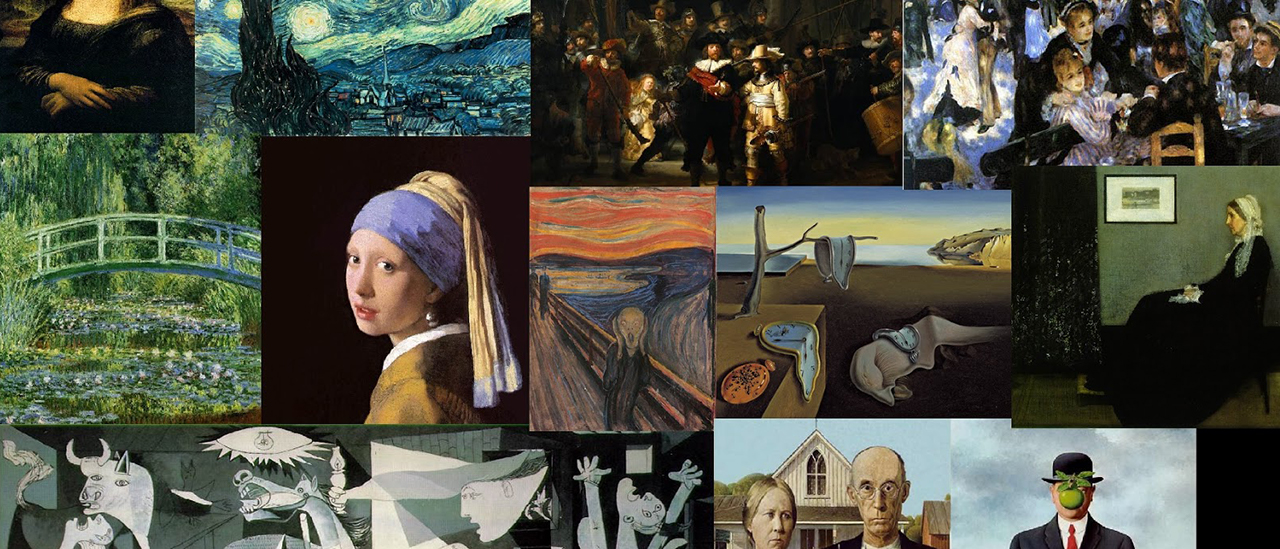
Art has always been a medium to express philosophy, culture and emotions. Art has shaped everything around us, in fact every culture or society is associated in one way or another with art. Art has helped us learn the past and facilitates the future generation with the same. In all probability its impact on shaping the human civilisation is .
But over time the art world has drawn a lot of attention to its glamorous and peculiar aspects. A visualisation of the art world generally involves insanely rich people bidding for an artwork in an auction house for ridiculous amounts. And it often leaves the general public either enraged or confused. Trying to learn more about the art market, at many at time it leaves us quite baffled.
Though it is justified that traditional paintings have a very high value due to their historical and cultural importance, there are so many other works of art whose price simply confound an average person’s perception of art and beauty.
For example, this painting below is a work by one of the most important post-war and contemporary artist, Mark Rothko. The painting titled, you guessed it, “Orange, Red, yellow”, was sold for an astounding $86.9 million in an auction held in 2012.
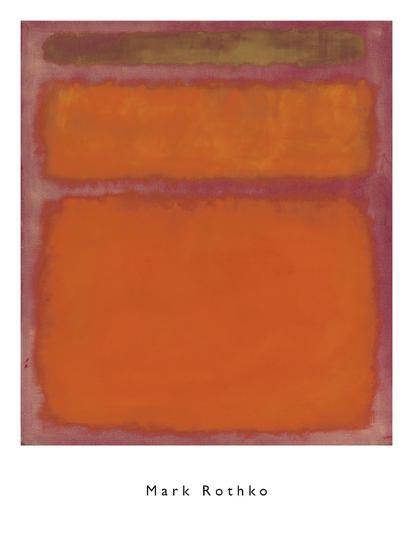
The above example is just one among many such pieces of artwork that are sold for huge amounts. So this brings up several questions. On what grounds is artwork valued ? What are the primary drivers of its price ? How is the art market organised ? And how does it function ? To answer all of these questions, there is a need to analyse the art market and artwork in general in an economical sense, but such an approach involves a lot of difficulties and challenges.
Firstly an analysis of culture and art in economic and monetary terms may seem inappropriate or disrespectful. Further it involves difficulties linked to information which often proves to be incomplete and not shared by or accessible to one and all equally. But even with such challenges, there are few trends and characteristics that are observed in the art market that can answer our questions.
The Art Market
Traditionally art market observed to be composed of two different categories of market. The primary market and the secondary market.
The primary market
The primary art market refers to the first time an artwork is purchased, usually from a studio or a gallery. Here the prices are generally determined by factors such as material and labor costs, demand, prices of comparable artwork and reputation of the artist. The customers in the primary market are usually collectors, Interior designers or general consumers.
Collectors
Collectors, new or experienced, are generally looking to buy art to build their personal collections. They buy for a myriad of reasons, from aesthetic value to financial investment.
Interior Designers
Designers usually buy artwork to complement their style and aesthetics in a project that they work on.
Consumers
Consumers are those who are less inclined to buy artwork to build a collection, but rather purely for investment purposes. Collectors represent a major segment of buyers in the art market. Such sales are considered an indicator of future gallery representations which can make or break a new artist’s career.
The secondary market
In the secondary art market, the main focus is on resale of an artist’s work. This is where sellers try to make a profit on the artwork. The main players in this market are:
Auction houses
Auction houses act as an middle men in the market and assist the curators in selling the artwork. Auction houses only accept those artworks that they think has a good chance of selling - because they too are dependent on the sale of the artwork as they earn their income through commission from each piece they sell. Unless it’s a piece by a world-famous artist whose name alone beckons collectors, auction houses review the artwork before putting it up for auction. In many cases the auction house where the artwork is sold can determines the price range at which it could be sold.
Museums
Museum curators are always on the lookout for artworks to display. The purpose of modern museums is to collect, preserve, and display objects of artistic, cultural, or scientific significance for the education of the public. In many cases museums are approached by gallerists and dealers to donate their collection or to display it to the public for a period of time, because display of an artwork in a well renowned museum can significantly increase its value and donations of an artwork can benefit the donor through tax exemptions.
We saw the two distinct categories in the art market, but there are few other players who are active in both the markets. They buy directly from artists with an intention of holding it on for a short while and encash the increase in the artwork’s value for a profit.
Galleries
Gallerists can display works straight out of an artist’s studio, or they can choose to bring in artwork from their own collections and other dealers. Experienced gallerists will have collections focused on a particular aesthetic, in which they buy and sell artwork. When a piece of art is sold, the gallery takes a commission on the sale.
Retailers
Retailers are involved in wholesale purchase, they usually buy an entire collection of artwork directly from an artist(usually at half the retail value). Then, they put the piece up for sale in their own retail shop hoping to make a profit.
Art Dealers
Art dealers are the most active participants in the art market. They stay in tune with the changing trends and tastes of the art world. They buy from both auction houses and artists alike. They then sell the works they acquire in their galleries or find collectors who are interested.
Determinants of price
How do experts determine the value of an artwork? And what drives art valuations up and down? The most peculiar characteristics of art is that it is neither utilitarian, nor does it seem to be linked to any essential activity, making it difficult to arrive at a value using economic principles.
The value of artwork can be judged based on sentimental, aesthetic, philosophical or cultural importance of the work, but in reality the market value of an artwork is predominantly based on collective perception. Meaning intrinsic or objective value does not contribute to much of its price. When we try to assess the price of an individual work, we can group price determinants into two groups (i) Objective or rational drivers (ii) Subjective or irrational drivers
Objective or rational drivers revolve around tangible features of an artwork such as physical attributes, the artist, the place and time of the previous art sale, etc. While subjective or irrational drivers are based on people’s perception and general consensus regarding the artwork. Now let’s look at some of the important determinants of artwork.
The artist
The most self evident factor that determines the price of an artwork. Historically the price of artwork has been determined by the artist who created it, how famous has the artist been relative to his era, the movement he has been part of, etc. The role that the artist played in the history of a particular art movement also plays an important role in determining the price of an artwork. The more the fame and prestige that an artist possesses/possessed, a higher return on investment along with lower downside risk was observed in his/her artwork.
Size
Among the artwork made by the same artist, the price of an artwork typically increased with increase in size. But this increase in price was observed at a decreasing marginal rate, which meant that very large artworks actually fetched lower price. This decrease could explained by the lack of portability of large artwork, since such artwork could not be easily displayed or shipped from one place to another they fetched very little interest from buyers. Generally, collectors gravitate to small-medium sized artwork and the demand for large artwork is typically driven by museums and art galleries.
Medium
The medium of a particular work determines the price of the work, for example oil paintings were priced higher than paper sketches, this increase in price was reasoned partly due to the material cost and relative durability. It’s also often the case that if an artist specialised or created his most well known work in one particular medium then the artwork made in that medium always fetched the highest price.
Date and time
When a work of art was created and dated can also affect its price. The work created by an artist can be categorised into early, transitional and mature phase. And these phases were used as a signal to determine the quality of the artwork, since it is usually observed that the price of an artwork rise when an artist has established a particular style. But owing to scarcity, early works of some artists could also experience high price.
Subject Matter
Empirical studies have shown that male buyers prefer female subjects and vice versa. Historical figures fetch higher price than unknown figures.
Recognisability
Artwork that displayed the prominent style used by a particular artist are usually priced higher. collectors usually prefer artworks that displayed the typical characteristics shown by the artwork of a particular artist and those that could be easily recognised.
Condition
Condition is also an important factor. Works with tears, flaws in canvas or paint, evidence of poor restoration diminish the value of the artwork.
Provenance
Another critical component of any valuation is provenance. Provenance is a french term that refers to the history of the ownership of the product as well as its authenticity. An artwork with a proper record of previous ownerships fetch a higher price in the market. Doubts regarding the origin of the ownership or ongoing ownership dispute can drastically reduce the value. Apart from this, provenance also contains an emotional appeal. An artwork with a history of prestigious owners or that which belonged in a celebrity collection is valued at a higher price in the market.
Exhibition history
A history of where and how an artwork was exhibited can amplify its price. Artworks that were displayed in famous venues or those that were featured in notable events were valued at a significantly higher price. But again there is also another trend which is observed that could act as a counter argument, artwork that have not been seen by the public for a long time witness increased enthusiasm and interest from the public during a sale, and this could lead to an increased valuation.
Scarcity
Finally the rarity of a work can increase its price. If an artist had created a relatively limited number of pieces, then the fact that there is a limited amount of pieces in the market can increase the price. In few cases the rarity can dominate other factor such as condition, subject matter and recognisability.
Art market is a complex global machine that consists of many moving parts. Valuation of art in itself is an art, which requires a lot of research, a huge knowledge base and puts one in a lifelong journey of learning. This article has explored only the basic terminologies and functions involved in the art market, and there is so much more to learn.
References:
- What’s it Worth? The Art of Art Valuation
- Why is art so expensive?
- The art market explained
- What Actually Happens in the Art Market’s Informal Economy
- Collector Basics: Who Are The Main Players?
- Goodbye Art World, Hello Art Industry: How the Art Market Has Transformed—Radically—Over the Past 30 Years
- Economics and Economic Perceptions of the Art Market
- High-end art is one of the most manipulated markets in the world
- The Art Market, Global Economy and Information Transparency
- How Artworks Get Their Prices